The last three decades of fume cupboard manufacturing have yielded some unexpected material choices. For example, did you know that during the 19th century, manufacturers in Europe and North America championed wood as the gold standard? While it may seem strange, this age-old resource has some surprising strengths. It's cost-effective, plentiful, and if the cabinet malfunctions, you have an abundant supply of firewood (not recommended). However, these somewhat safe matchboxes perform exceptionally well. The only downside is the heat resistance and use of asbestos, which ushered in the age of mild steel.
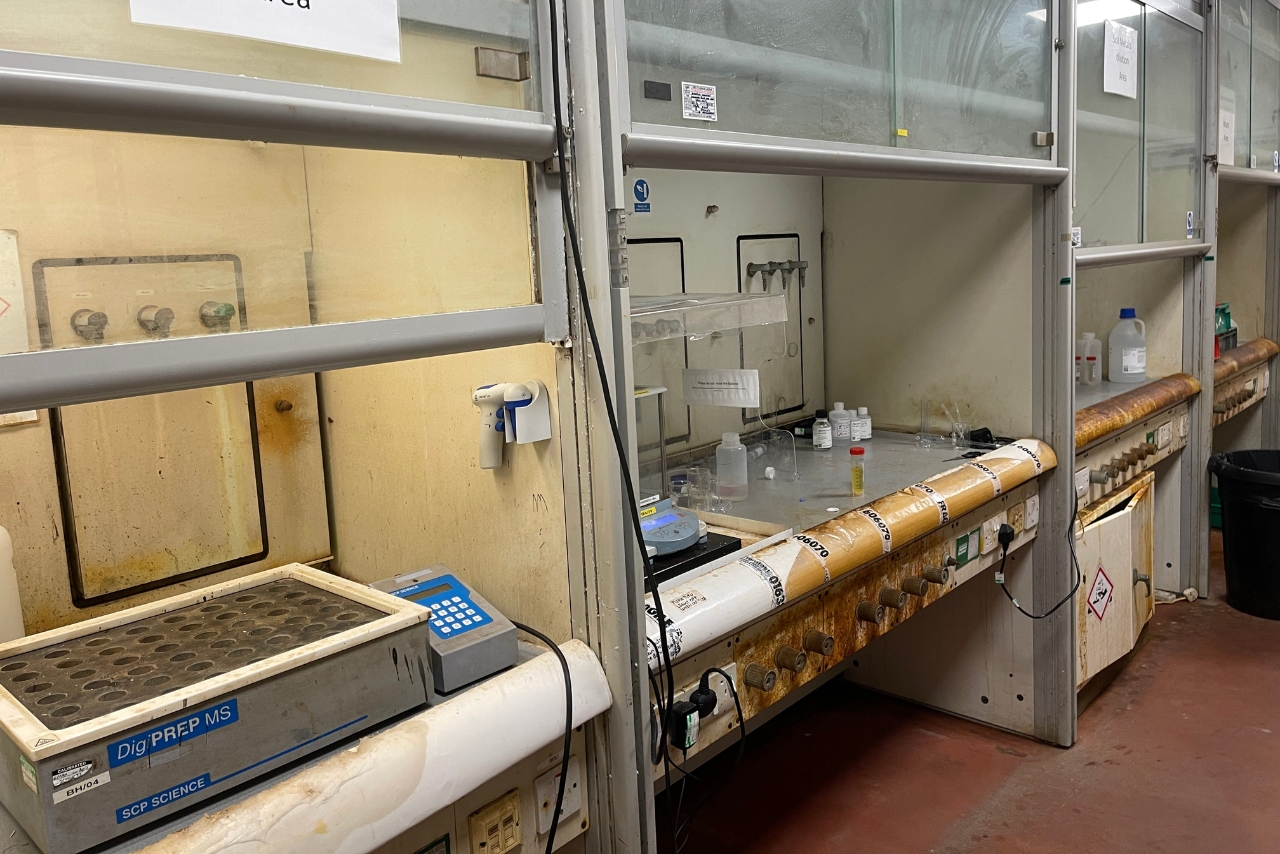
Now, let me explain. To those who advocate the use of mild steel, I understand the advantages. It's strong, obtainable and cheap to produce. The real question is, do these advantages benefit the end user or the product manufacturer? After all, there are some applications where mild steel is appropriate. Think lower education, QC labs or sample preparation. However, the real issue concerns its ability to combat corrosion. For those unaware, mild steel is treated with an epoxy polyester powder coating to enhance the material's durability. Without it, you're essentially building your fume cupboard from Swiss cheese minus the sweet and tangy aftertaste. As a laboratory manager at Eurofins so eloquently stated, "all of my fume cupboards are one scratch away from rust".
On the other hand, polypropylene solves these challenges and addresses the issues surrounding sustainability. Not only does polypropylene contain less embodied carbon than its mild steel counterpart, but it's also corrosion-proof. Bar a few obscure and somewhat rare chemicals. In my opinion, it's the gold standard material in fume cupboard manufacturing. Coincidentally, this is why polypropylene ducting has been specified in complex chemical environments for decades. Think about it. Why specify corrosion-proof ductwork with a corrodible fume cupboard? In my opinion, it's like designing a cardboard house with a waterproof roof. It's not sustainable, lacks longevity and exacerbates risk.
Yes, there is another glaring alternative to polypropylene. The ever-reliable stainless steel. However, stainless steel is three times the price of a polypropylene cabinet and is incredibly difficult to retrofit. Now, fellow manufacturers, please avoid reaching for pitchforks. At TION, we design and manufacture our own mild-steel fume cupboards. So, you could argue I'm criticising my own company. In which case, it's been nice knowing you. All jokes aside, it's high time we prioritise the materials used to build our equipment in addition to the specification of the product itself.
"Throughout my career, I've visited several hundred laboratories across the UK. Yet with each one I view, I often see the orange-encrusted remains of so-called "modern" metal fume cupboards steadily corroded by even the most basic acids. Some within a few short years.
Here at TION, we manufacture our fume cupboards using virgin medical-grade polypropylene. It requires no powder coating or painting and offers 100% corrosion resistance. It's also a "cradle to cradle" material, allowing the product to be recycled for its original purpose.
In short, it's difficult to argue against polypropylene when comparing it with common alternatives. Whether your focus is on sustainability or longevity, the benefits are hard to ignore.
Now, I understand that some materials may need to be changed. Take the work surface, for example. We offer a range of materials, including Trespa, epoxy and ceramic, to name a few. We're not opposed to change; we just want to ensure the correct material is selected for the application at hand."
If you have any technical enquiries or require support selecting and installing the appropriate fume cupboard, please get in touch with our team.
Our Expert Opinion: "Essentially, your cabinet's material selection acts as an insurance policy on the longevity of the unit. Yes, it's important to consider technology, product quality, and the manufacturer's reputation, but preventing long-term corrosion is ultimately what protects your initial investment. Mild steel has, and will continue to have a place in fume cupboard manufacturing. But if you prioritise sustainability, longevity and quality, a polypropylene fume cupboard is worth your time and consideration."
Read our Privacy Policy for more information on how we collect and process data.



No thank you
Read our Privacy Policy for more information on how we collect and process data.