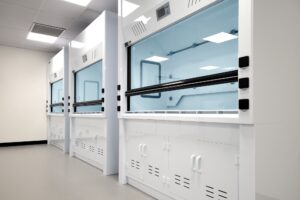
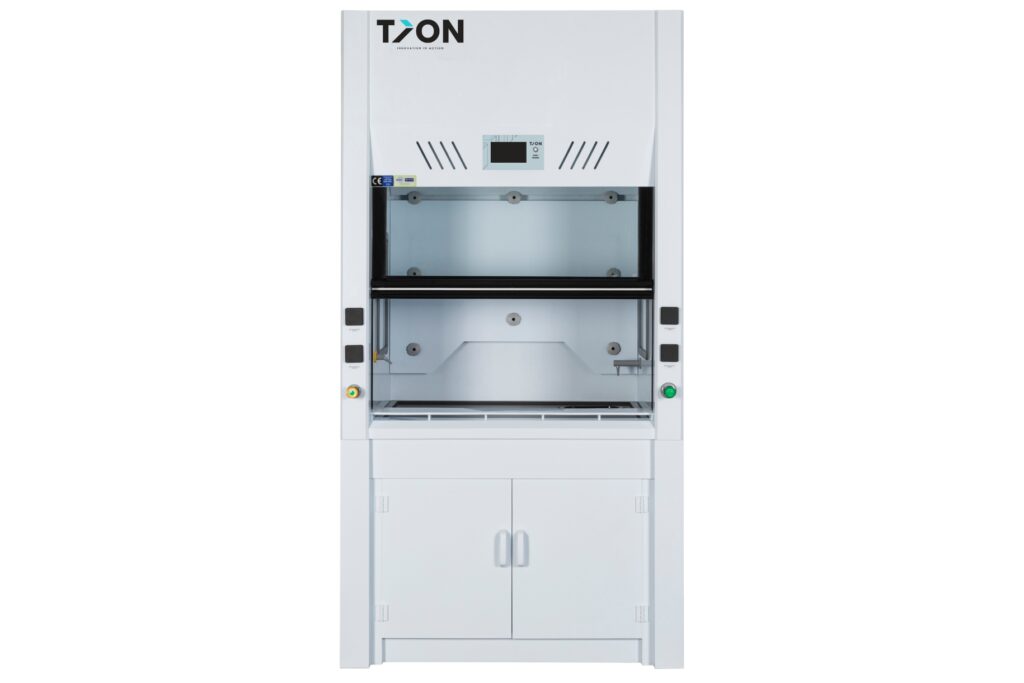
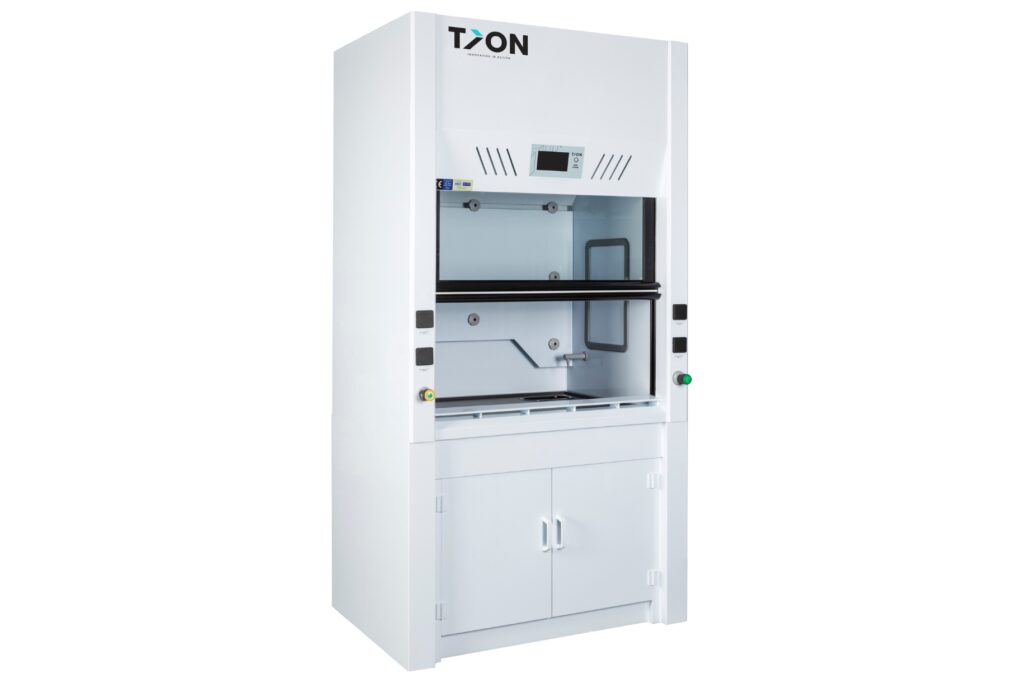
Ducted Fume Cupboards

Built For High-Strength Chemical Applications
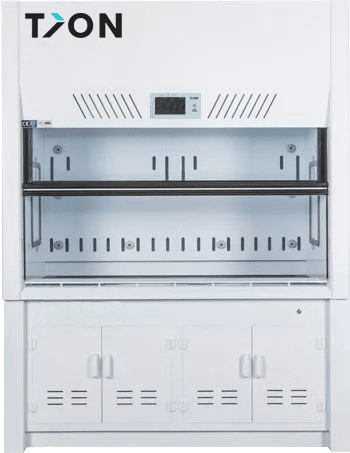
Eliminate corrosion and maximise your product's longevity with our range of ducted polypropylene fume cupboards, purpose-built for chemical-intensive applications and acid-based processes.
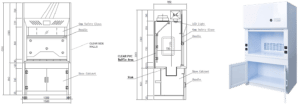
Ducted-Fume-Cupboard-Front-small

Safe, Certified Fume Containment

TION's high-performance ducted fume cupboards offer excellent levels of chemical containment for a broad range of commercial applications. They exhaust toxic aerosols, vapours, gases and particulates via roof-mounted ventilation stacks directly into the atmosphere. It's an industrial system that removes the need for expensive filter replacements associated with ductless models, reducing your site's downtime and maximising profitability.


Product Benefits

100% Corrosion-Proof

100% Corrosion-Proof

No more rust. Our full Polypropylene build maximises your products longevity with simplified cleaning.
BS EN 14175 Certified

BS EN 14175 Certified

BS EN 14175 certification and ASHRAE 110-1995 ensures global safety compliance with automated alarms.
Delivery & Installation

Delivery & Installation

Full-stack project development includes design, delivery, installation & commissioning.
DW154 Certified Ductwork

DW154 Certified Ductwork

All ductwork conforms to stringent DW154 standards, ensuring maximum containment & efficiency.
Customise Your Fume Cupboard
No matter the specification, our designers will create a bespoke solution tailored to your needs. Our motto of "Customise, Don't Generalise" extends beyond standard product development to include custom dimensions, accessories, screen sizes & materials. You control the outcome.
Customise Your Fume Cupboard

Reduce Your Energy Costs With VAV Technology

Variable air volume is a proven, cost-effective way of reducing your energy usage by up to 80%. It works by limiting airflow according to the cabinet's sash height. If the sash is closed, airflow stops, consuming less electricity by reducing external fan speeds. It's a more sustainable and efficient method of regulating the airflow inside your cabinet compared with standard CAV systems. Click here for more information on the benefits of Variable Air Volume.
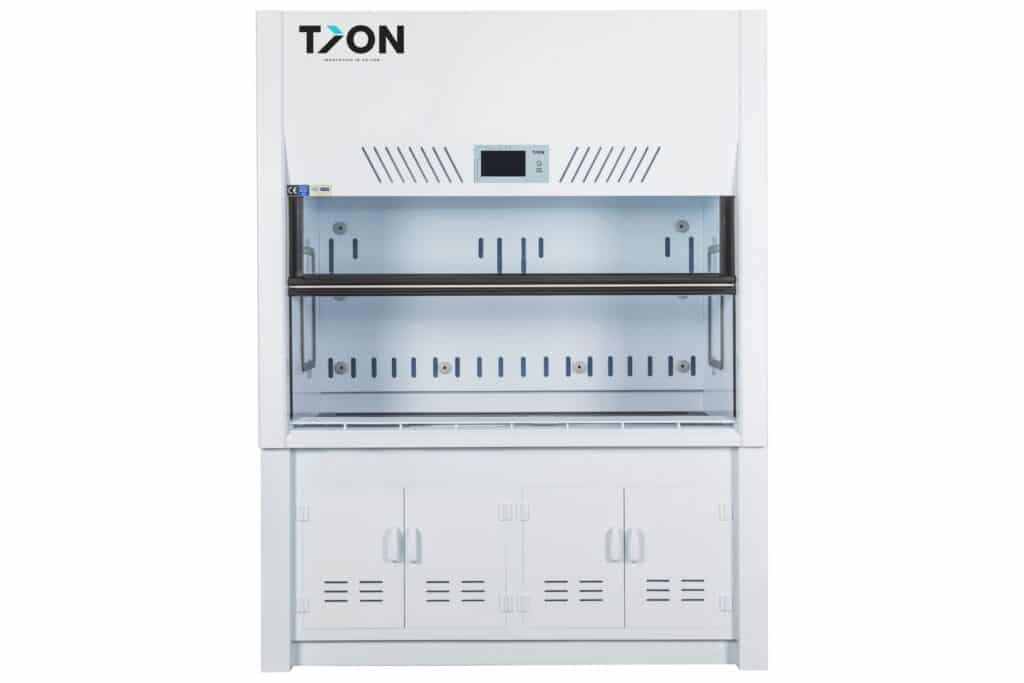
Product Features

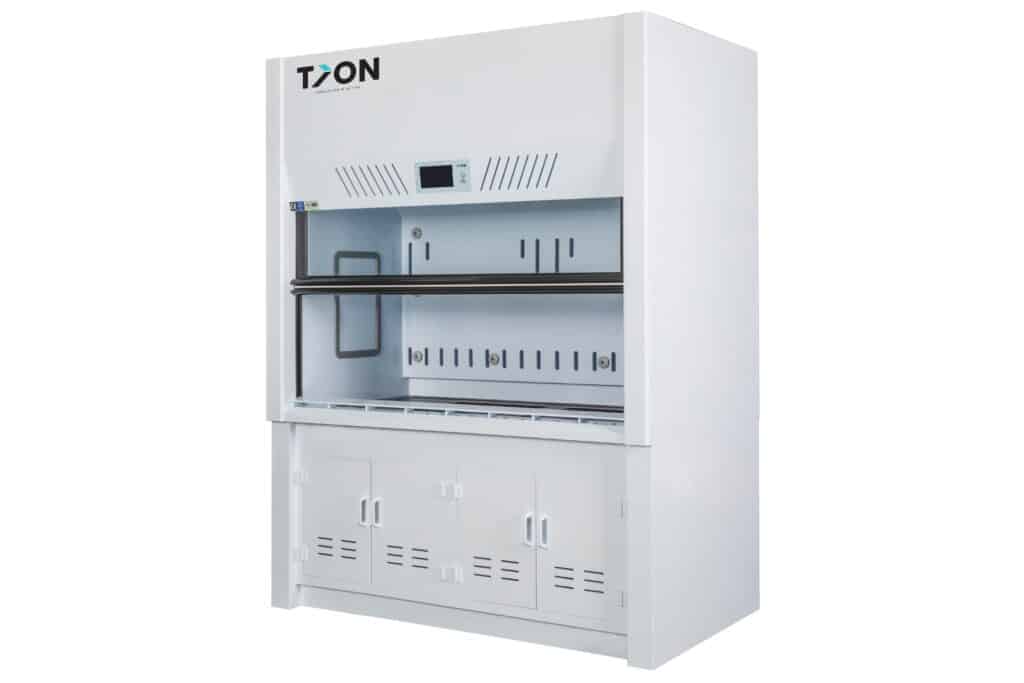
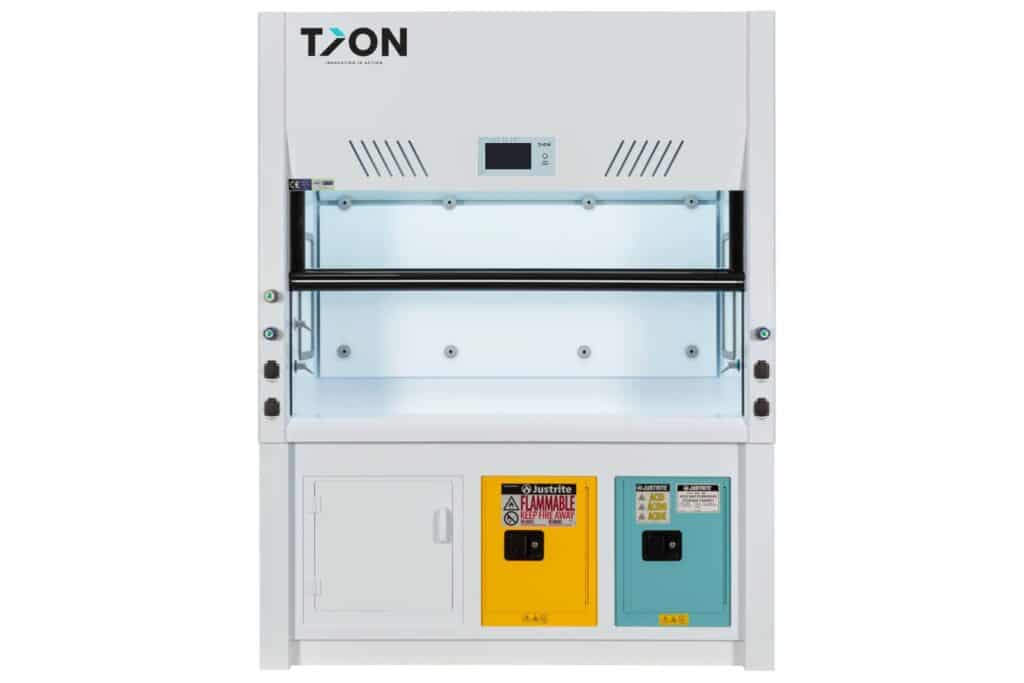
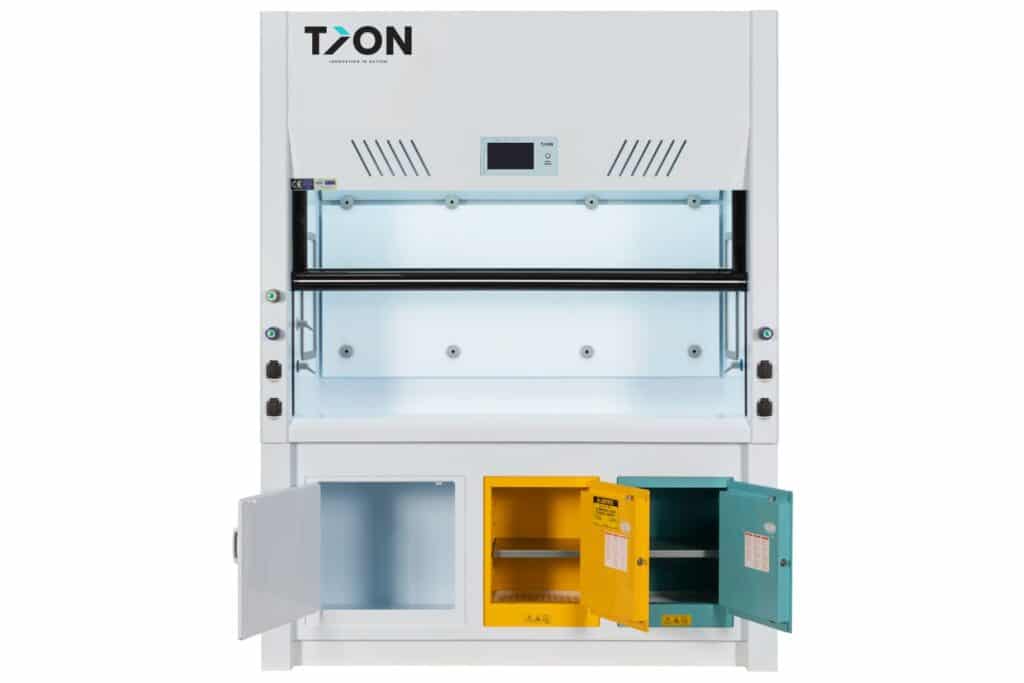
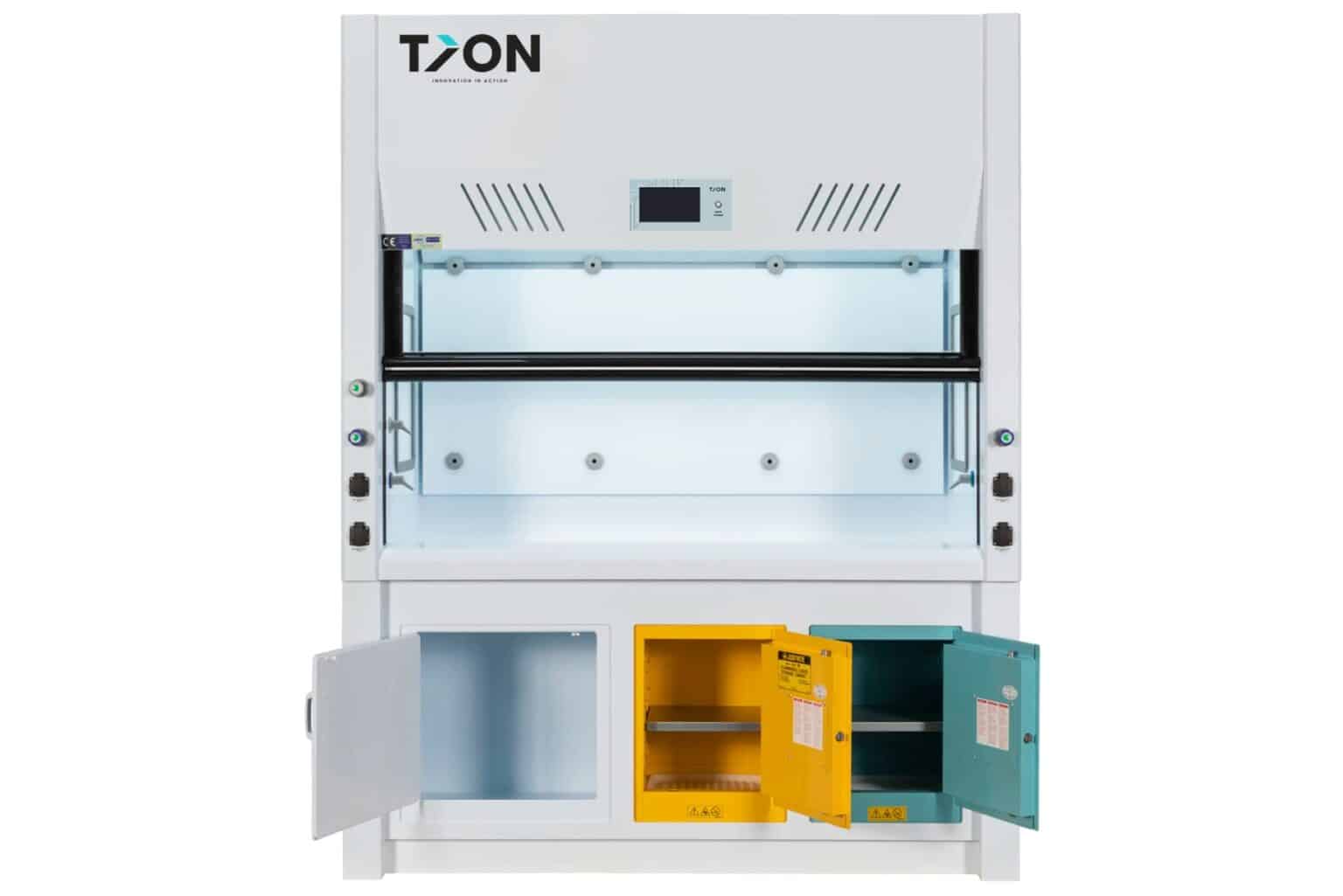
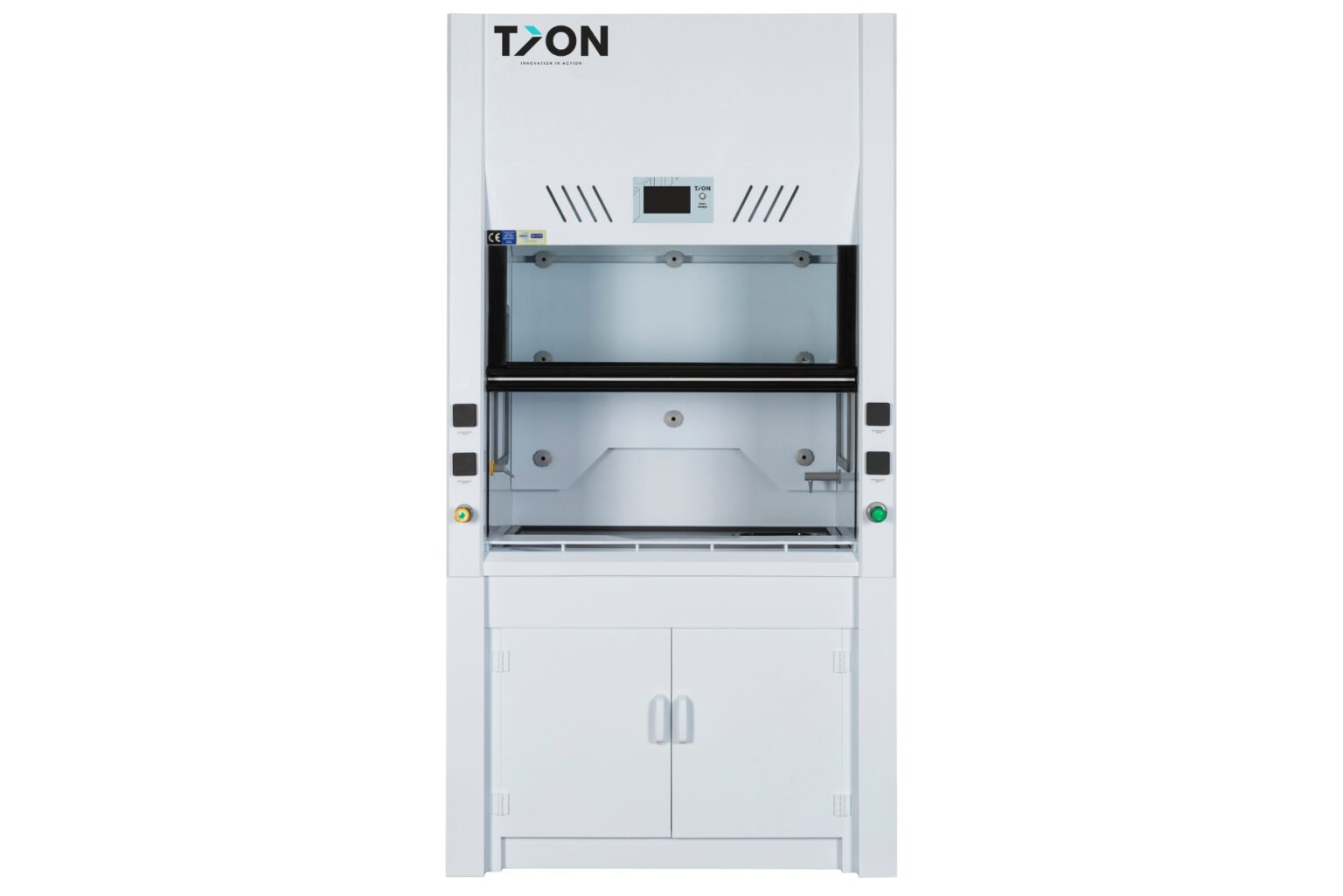
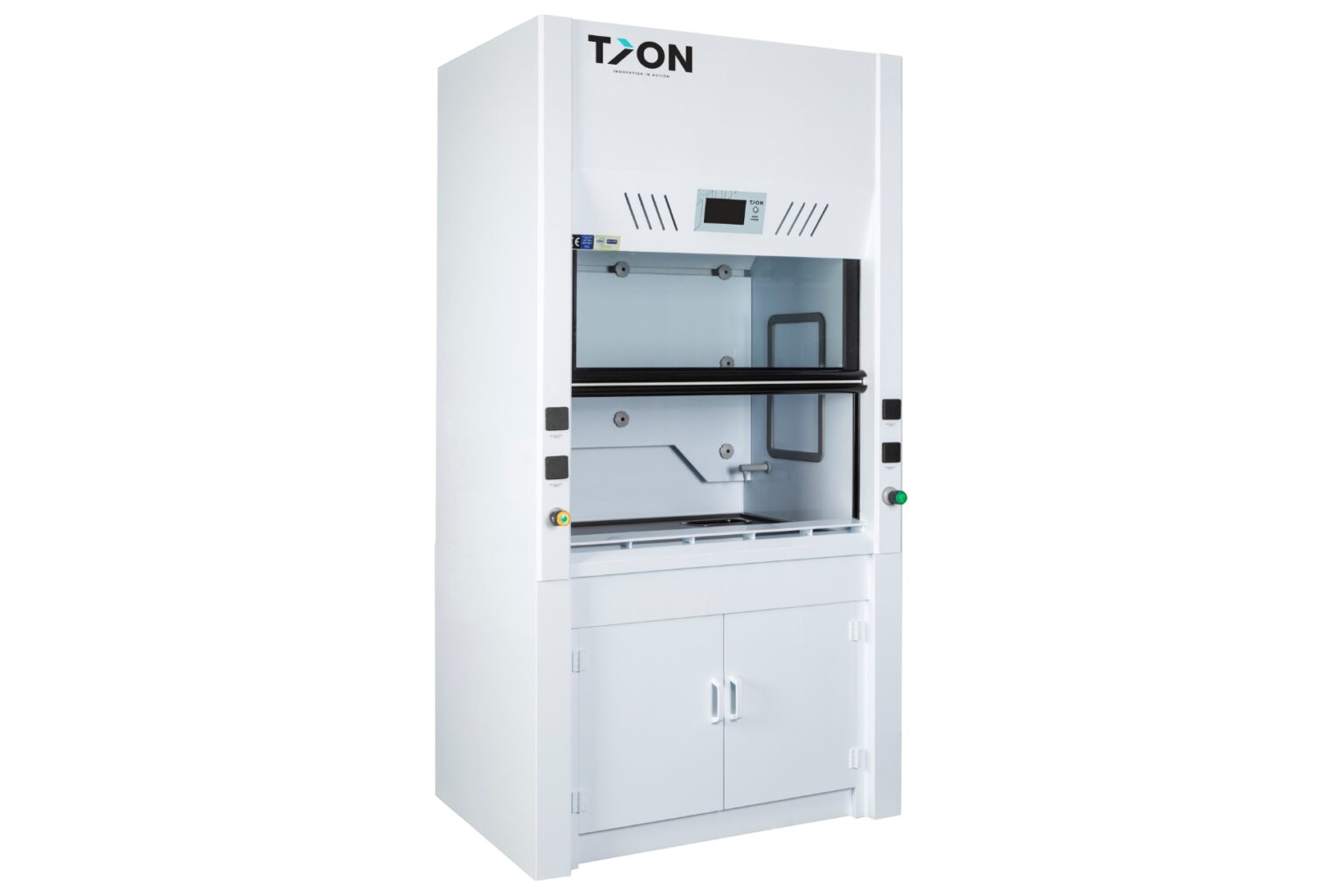
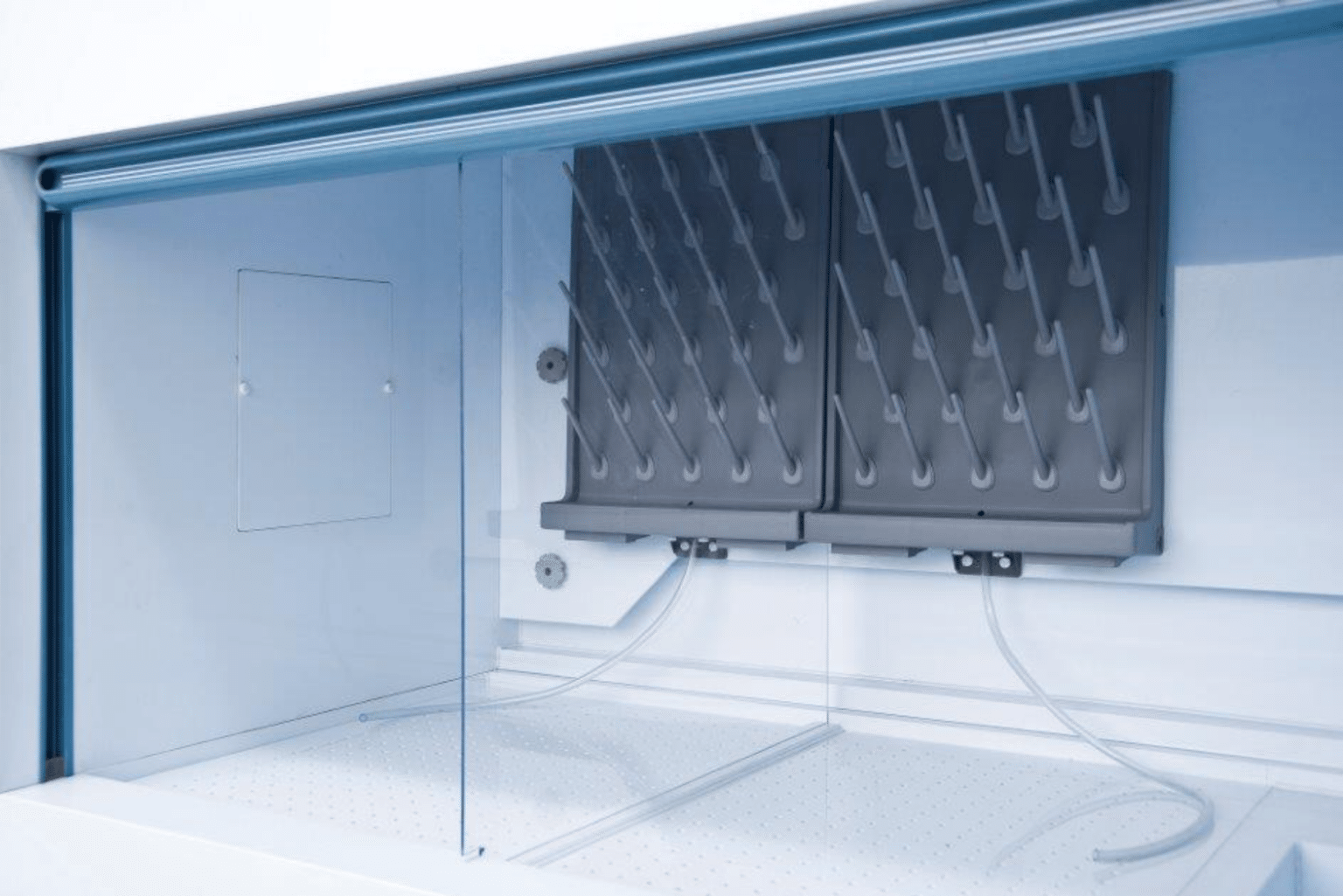
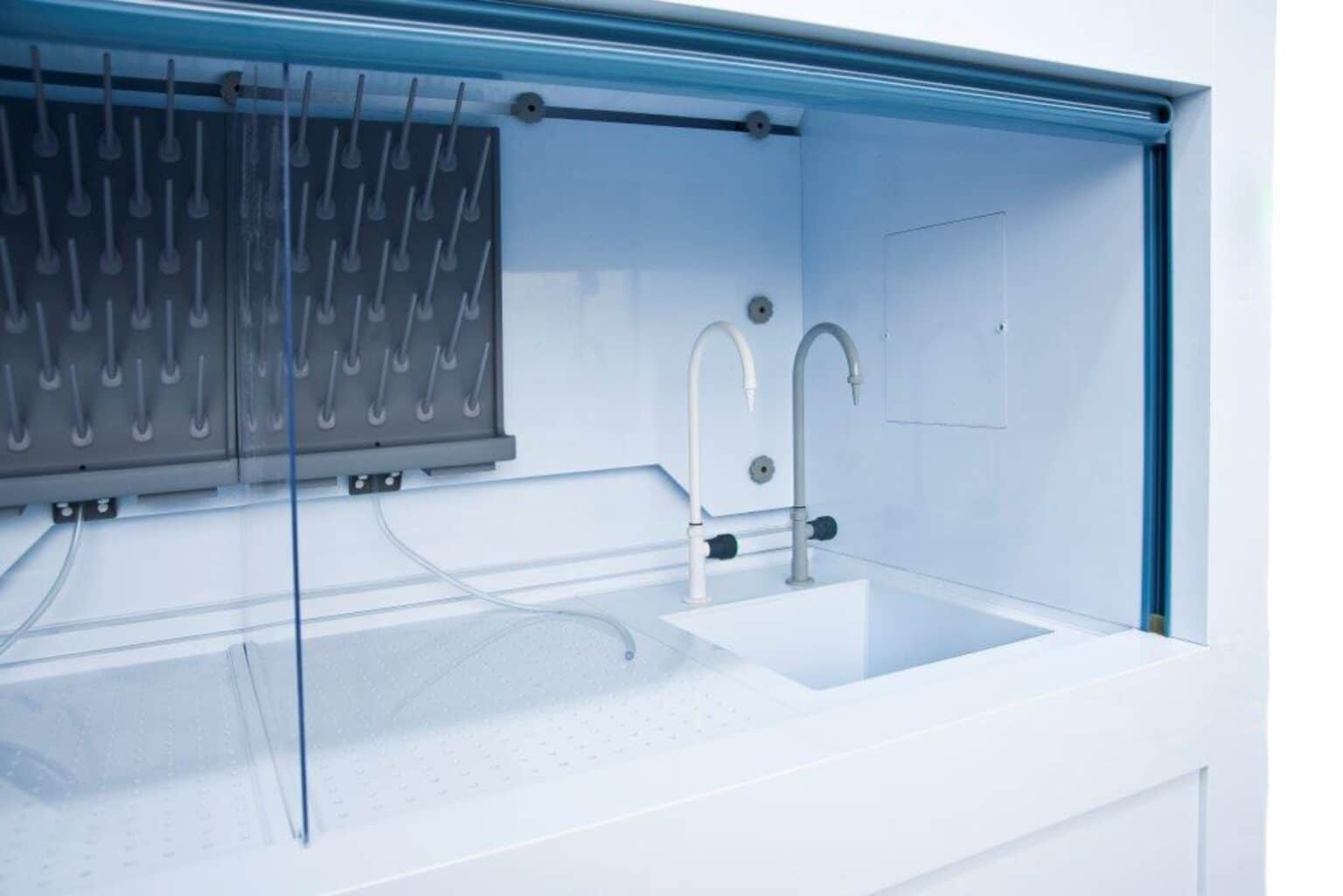
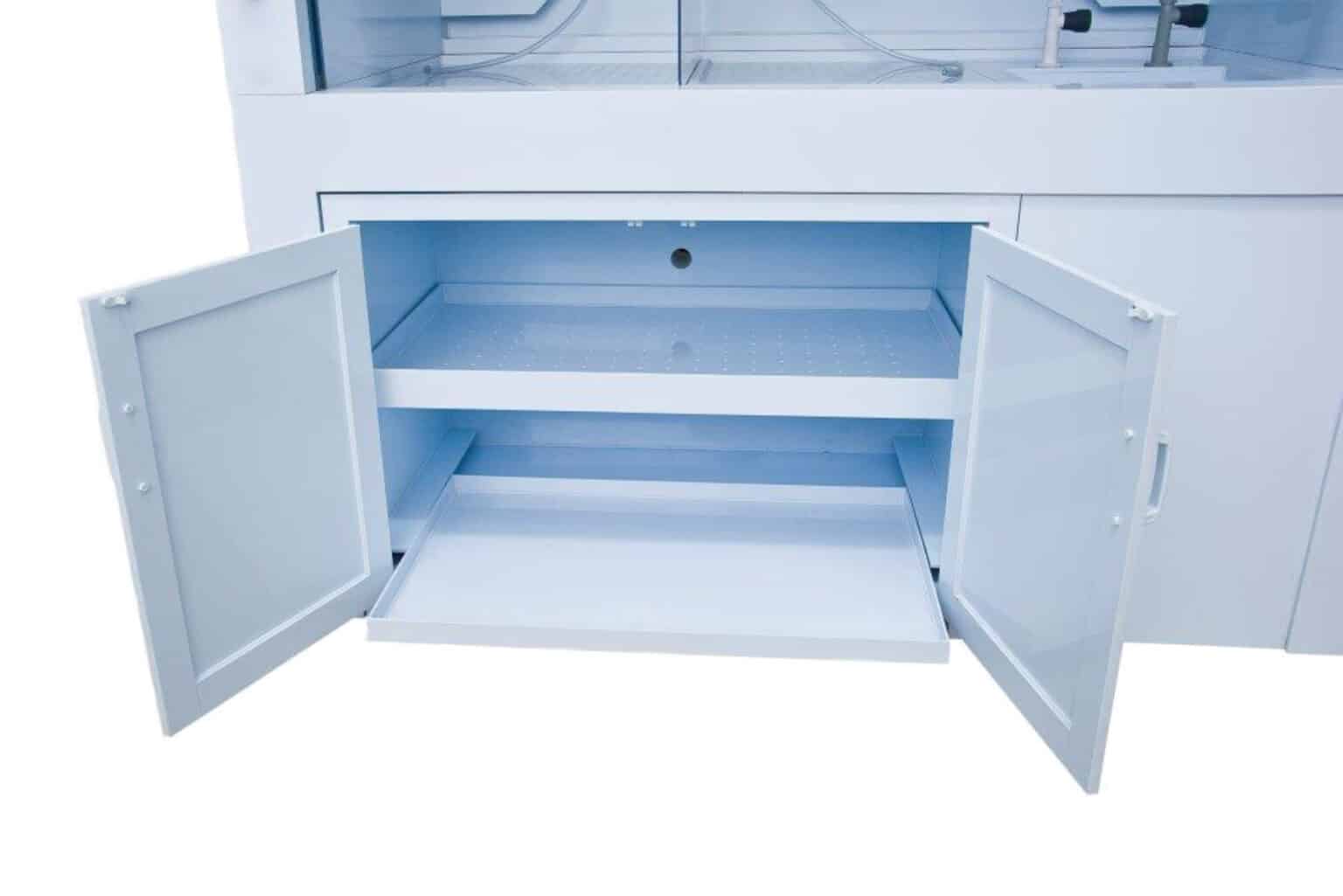
Pro Ducted Fume Cupboard FrontPro Ducted Fume Cupboard SidePro Ducted Fume Cupboard Front 90 Minute CabinetsPro Ducted Fume Cupboard Front 90 Minute Cabinets OpenStandard Ducted Fume Cupboard FrontStandard Ducted Fume Cupboard SidePro Ducted Fume Cupboard Wash BoardDucted Fume Cupboard SinkPro Ducted Fume Cupboard Storage Cabinets
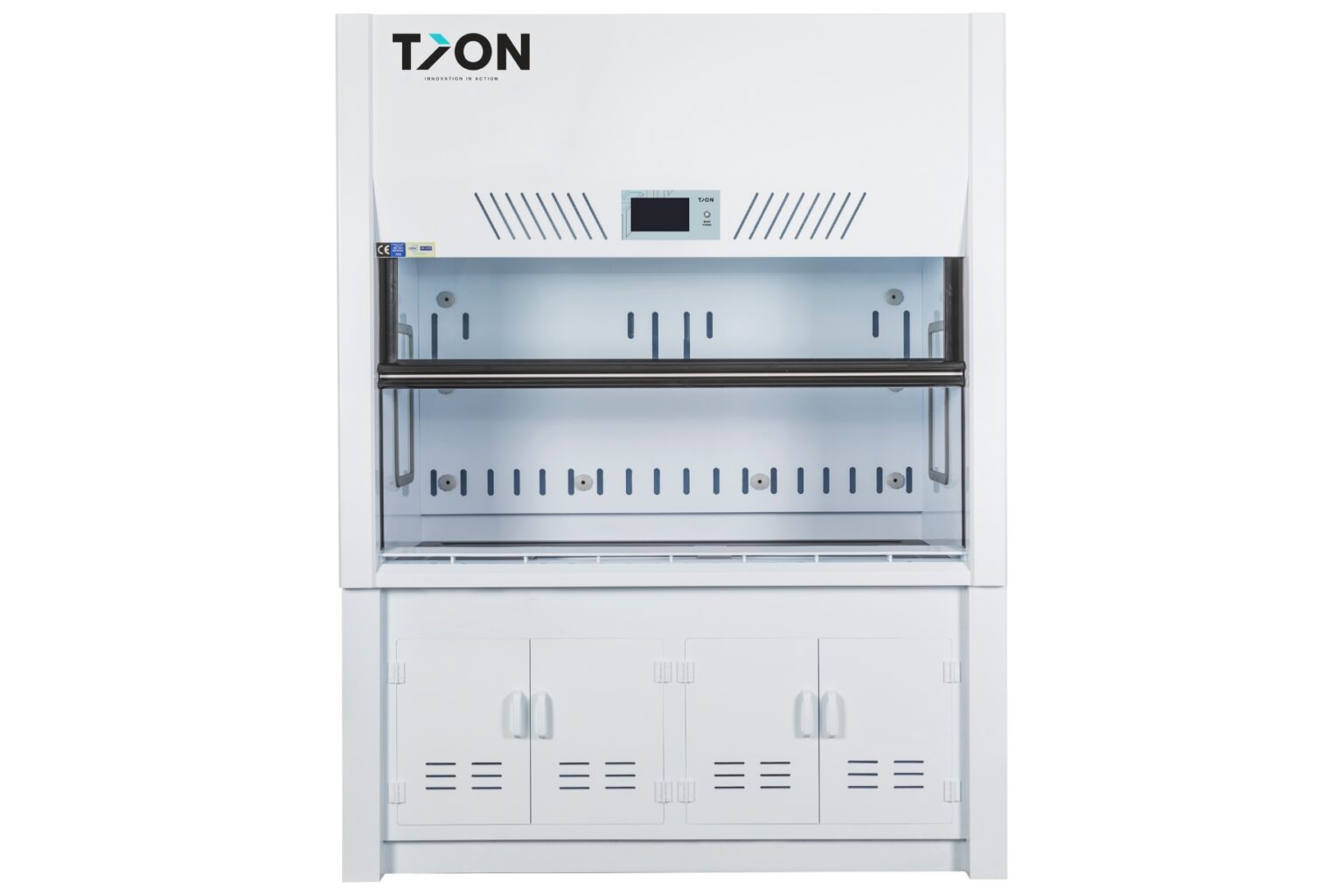
  • Pro Ducted Fume Cupboard Front
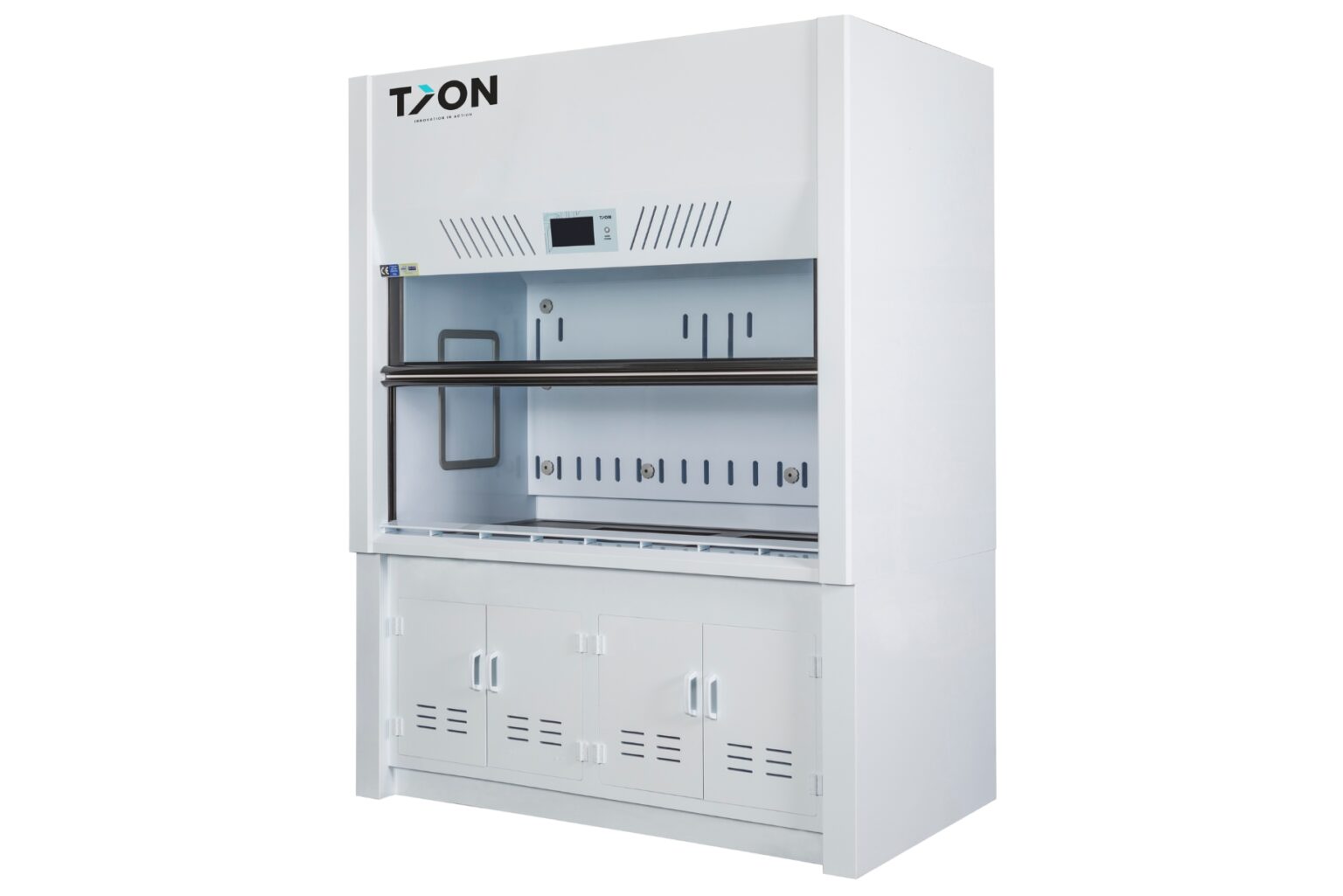
  • Pro Ducted Fume Cupboard Side
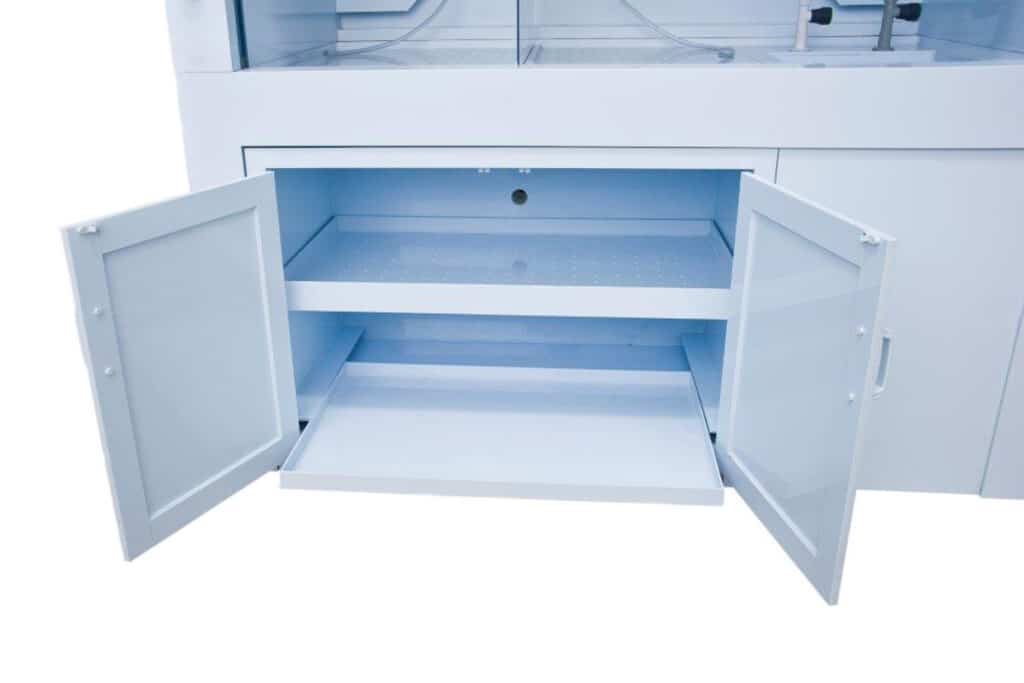
  • Pro Ducted Fume Cupboard Front 90 Minute Cabinets
  • Pro Ducted Fume Cupboard Front 90 Minute Cabinets Open
  • Standard Ducted Fume Cupboard Front
  • Standard Ducted Fume Cupboard Side
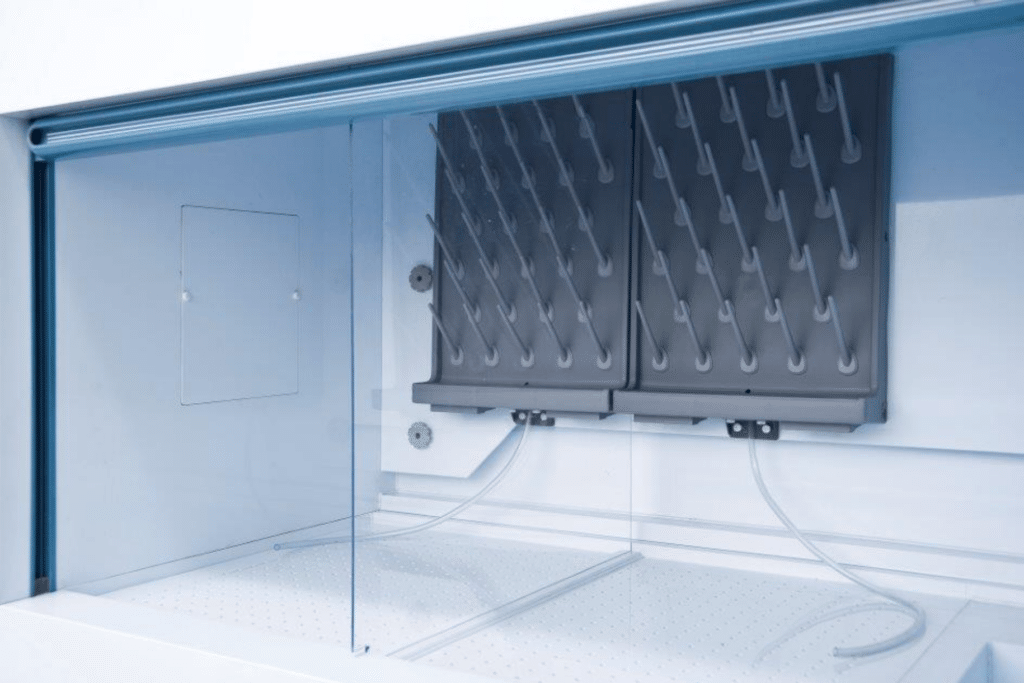
  • Pro Ducted Fume Cupboard Wash Board
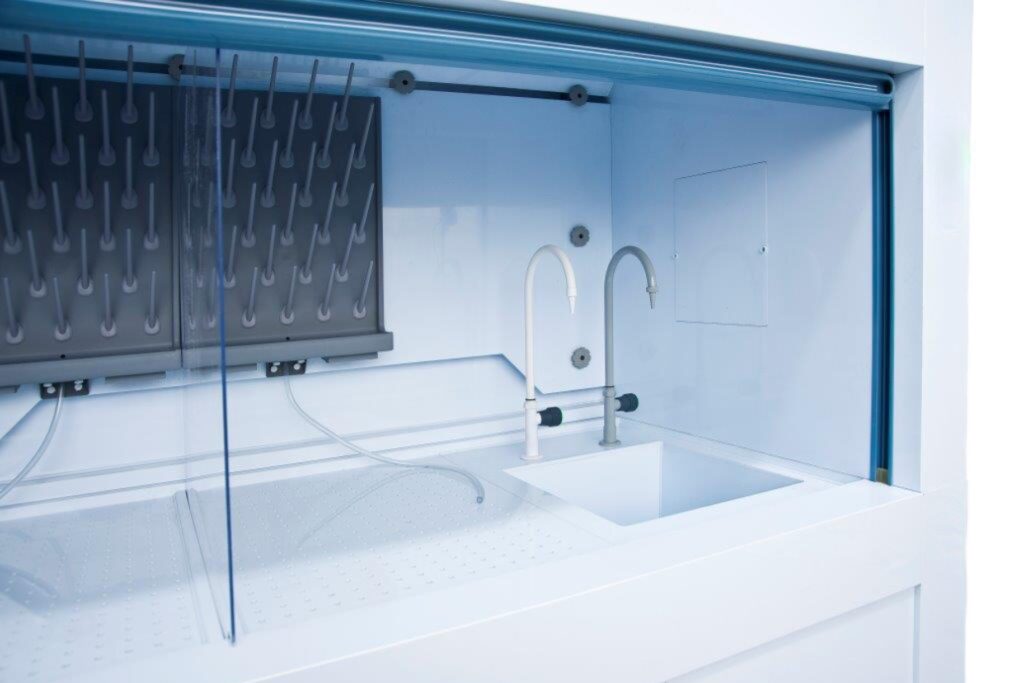
  • Ducted Fume Cupboard Sink
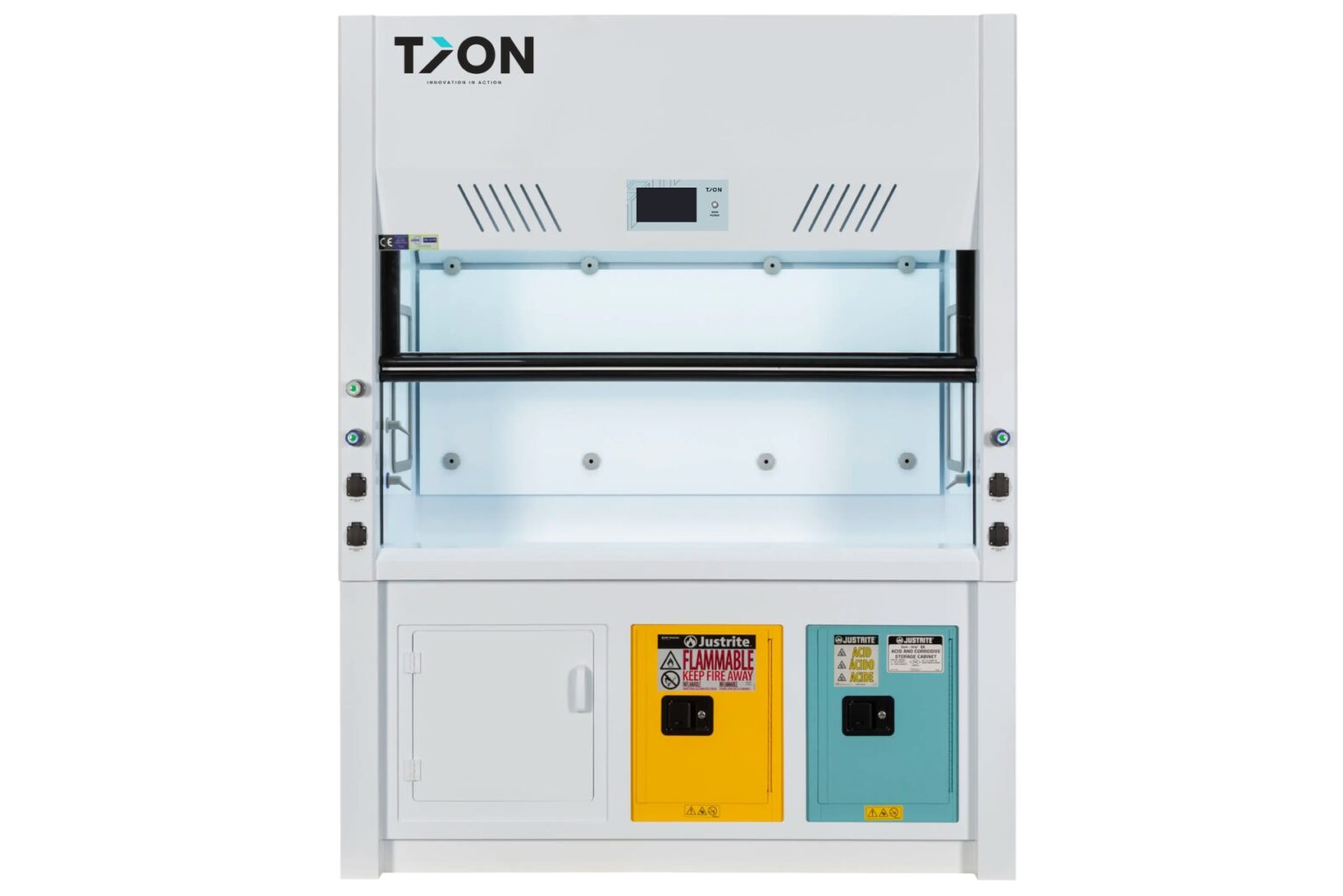
  • Pro Ducted Fume Cupboard Storage Cabinets
Energy Efficient LED Lighting

Energy Efficient LED Lighting

Sealed LED lighting offers eco-friendly, cost-effective 800 LUX illumination.

Lighting

Lighting is an important part of your specification. Our energy-efficient 800 LUX LED lights provide excellent clarity and last longer than older fluorescent tubes.

High-Quality Worksurface Materials

High-Quality Worksurface Materials

We offer a wide variety of work surface materials, including Ceramic & Epoxy to suit the needs of your applications.

A Worksurface Material For Every Application

We offer the following materials across our ducted fume cupboard range:

  • Polypropylene
  • Trespa
  • Ceramic
  • Stainless Steel
  • Epoxy

Special considerations can be made where appropriate.
100% Polypropylene Carcass

100% Polypropylene Carcass

No corrosion, ever. Enables ultimate flexibility in the design process, providing our clients with limitless customisation options.

Why Choose Polypropylene?

The preferred fume cupboard material of choice, medical-grade welded polypropylene, offers increased chemical resistance and durability. It's a lightweight material with a high tensile strength that's able to support up to 4800psi. Learn more about the advantages of polypropylene vs. traditional materials.

9-Inch Touch-Screen Control Panel

9-Inch Touch-Screen Control Panel

The intuitive 9-inch control system features eco-friendly night setback mode, airflow controls and calibration setting.

Top-Down Fume Cupboard Controls

Our proprietary control panel software grants total control over the cabinet's airflow, energy consumption and alarms. Laboratory technicians receive live data feeds to simplify maintenance and diagnose faults. Whilst our night setback mode reduces electricity consumption.

Built-In Red-Light Alarm System

Built-In Red-Light Alarm System

Our cabinets include a programmable red-light alarm that monitors internal airflow, alerting your staff to a fault. It's simple, safe and effective.

Safety Made Simple

Need a reminder? Our red-light alarms can also be programmed to monitor commissioning schedules to ensure your cabinet remains compliant with BS EN 14175.

Vented Storage & Height Adjustable Stands

Vented Storage & Height Adjustable Stands

In need of chemical storage? No problem. Our cupboards can be customised with drawers, 90-minute cabinets, knee spaces or height adjustable stands.

We're Not Just A Fume Cupboard Manufacturer

We also offer standalone chemical storage cabinets for those who require a little more room. They're customisable, COSHH compliant and durable.

Technical Resource Centre

Models
Documents and Downloads
FAQ's
Ducted Fume Cupboards

Bench Top StylePPFC1200PPFC1500PPFC1800PPFC2000PPFC2500
External Size WxDxH (mm)1200 x 830 x 2320 mm
47.3x 32.6 x 91.3”
1500 x 830 x 2320 mm
59.0 x 32.6 x 91.3”
1800 x 830 x 2320 mm
70.8 x 32.6 x 91.3”
2000 x 830 x 2320 mm
78.7 x 32.6 x 91.3”
2500 x 830 x 2320 mm
98.4 x 32.6 x 91.3”
Workspace: Rear Baffle To Aerofoil WxDxH (mm)1000 x 580 x 1170 mm
39.4 x 22.8 x 46”
1300 x 580 x 1170 mm
51 x 22.8 x 46”
1600 x 580 x 1170 mm
63 x 22.8 x 46”
1800 x 580 x 1170 mm
70.8 x 22.8 x 46”
2300 x 580 x 1170 mm
90.5 x 22.8 x 46”
Stand Dimensions WxDxH (mm)1200 x 800 x 800 mm1500 x 800 x 800 mm1800 x 800 x 800 mm2000 x 800 x 800 mm2500 x 800 x 800 mm
Front Sash Max Opening (mm)720 mm / 28.3″720 mm / 28.3″720 mm / 28.3″720 mm / 28.3″720 mm / 28.3″
Front Sash Working Height (mm)500 mm / 19.6"500 mm / 19.6"500 mm / 19.6"500 mm / 19.6"500 mm / 19.6"
CertificationEN - 14175/ASHRAE 110-1995EN - 14175/ASHRAE 110-1995EN - 14175/ASHRAE 110-1995EN - 14175/ASHRAE 110-1995EN - 14175/ASHRAE 110-1995
Air Velocity0.5±0.1 m/s, 100±20 FPM0.5±0.1 m/s, 100±20 FPM0.5±0.1 m/s, 100±20 FPM0.5±0.1 m/s, 100±20 FPM0.5±0.1 m/s, 100±20 FPM
Cabinet MaterialWhite PolypropyleneWhite PolypropyleneWhite PolypropyleneWhite PolypropyleneWhite Polypropylene
Work Table MaterialHPL/Ceramic/Epoxy/PP/Stainless SteelHPL/Ceramic/Epoxy/PP/Stainless SteelHPL/Ceramic/Epoxy/PP/Stainless SteelHPL/Ceramic/Epoxy/PP/Stainless SteelHPL/Ceramic/Epoxy/PP/Stainless Steel
Control System7" full-colour touch screen with air flow velocity, low airflow alarms, fan controls and calibration settings.7" full-colour touch-screen with air flow velocity, low airflow alarms, fan controls and calibration settings.7" full-colour touch-screen with air flow velocity, low airflow alarms, fan controls and calibration settings.7" full-colour touch-screen with air flow velocity, low airflow alarms, fan controls and calibration settings.7" full-colour touch-screen with air flow velocity, low airflow alarms, fan controls and calibration settings.
Optional Control System9" full-colour touch screen with integrated VAV system.9" full-colour touch screen with integrated VAV system.9" full-colour touch screen with integrated VAV system.9" full-colour touch screen with integrated VAV system.9" full-colour touch screen with integrated VAV system.
Power Supply Options110/220V, 50/60 Hz, Includes a single phase power supply. A three-phase power supply can be specially ordered.110/220V, 50/60 Hz, Includes a single phase power supply. A three-phase power supply can be specially ordered.110/220V, 50/60 Hz, Includes a single phase power supply. A three-phase power supply can be specially ordered.110/220V, 50/60 Hz, Includes a single phase power supply. A three-phase power supply can be specially ordered.110/220V, 50/60 Hz, Includes a single phase power supply. A three-phase power supply can be specially ordered.
Illumination800 LUX LED lights800 LUX LED lights800 LUX LED lights800 LUX LED lights800 LUX LED lights
Customisation OptionsTaps: (water, gas nitrogen, vacuum, others), sinks, sumps, shelves, multi-sash, partitions, glove apertures, dimensions, storage and height adjustable standsTaps: (water, gas nitrogen, vacuum, others), sinks, sumps, shelves, multi-sash, partitions, glove apertures, dimensions, storage and height adjustable standsTaps: (water, gas nitrogen, vacuum, others), sinks, sumps, shelves, multi-sash, partitions, glove apertures, dimensions, storage and height adjustable standsTaps: (water, gas nitrogen, vacuum, others), sinks, sumps, shelves, multi-sash, partitions, glove apertures, dimensions, storage and height adjustable standsTaps: (water, gas nitrogen, vacuum, others), sinks, sumps, shelves, multi-sash, partitions, glove apertures, dimensions, storage and height adjustable stands

Fume Cupboard Service Package

Document: PDFs | Info: PDF File pack | Version: 1

Ducted Fume Cupboard Datasheet

Document: Datasheets | Info: PDF File Pack | Version: 1

Ducted Fume Cupboard Images

Document: Images | Info: JPG File Pack | Version: 1

Ducted Fume Cupboard BIM Models

Document: BIM Models | Info: IFC & Revit File Pack | Version: 1
A ducted fume cupboard is a containment device designed to extract toxic gases, vapours and particulates generated during chemical experiments. It uses PVC ductwork connected to an external ventilation stack to exhaust fumes into the atmosphere, preventing harmful chemical exposure to personnel inside the lab.

Because nothing is filtered and recirculated back into the room, a ducted system offers the highest level of containment available, making it the right choice for high-volume or highly corrosive chemical use where a filtered, recirculating unit wouldn't provide adequate protection. The exhaust route must meet BS EN 14175, typically venting vertically and extending above roof height, which brings in the ductwork, fan and installation considerations covered elsewhere on this page.

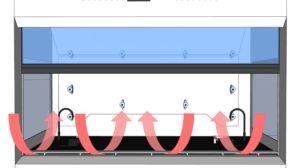
A ducted fume cupboard exhausts hazardous fumes into the atmosphere by drawing air from the front of the cabinet into a roof-mounted ventilation stack at 0.5m/s. It uses PVC ductwork and a centrifugal fan to direct airflow outside the building, preventing staff from inhaling toxic fumes.

Airflow is continuously monitored through the control panel, which alerts users if performance drops below a safe threshold, so any drift from that 0.5m/s face velocity is caught before it becomes a containment risk. The fan itself can run at a constant speed (CAV) or vary according to sash position (VAV), with VAV systems reducing airflow and energy use as the sash closes.

A ducted fume cupboard (or ducted fume hood) connects to a ventilation system, which uses an extraction fan to exhaust toxic fumes outside the building. Ductless fume cupboards (sometimes referred to as recirculating fume cupboards) contain a built-in filter (Carbon filter or HEPA filter) that neutralises harmful substances before releasing the air back into the laboratory. For more information, please visit "Choosing Ducted vs Ductless Fume Cupboards".

That distinction shapes which unit suits which application. Ducted systems can handle a wider range and higher volume of chemicals since contaminated air never re-enters the room, but they need ductwork, often planning permission, and a fixed installation position. Ductless systems install faster, cost less upfront and can be relocated, but are limited to low-volume, low-risk chemical use given the recirculation involved.

No. Although ducted fume cupboards are designed for use with a variety of different chemical types, there are some exceptions. For example, Perchloric acid. Vapours from this chemical can crystallise inside the unit or duct when dry. In this instance, we would only recommend a wash-down fume cupboard.

More broadly, suitability comes down to the process rather than the fume cupboard alone. Highly corrosive or reactive fumes can affect material compatibility, chemical volumes and concentrations vary in how much containment they demand, and some processes call for a specialised category of equipment entirely, such as a wet scrubber fume cupboard for particularly aggressive chemical loads. A COSHH assessment of your specific process should always guide the choice of cupboard, not the other way around. If you're unsure which type of ducted system your application requires, our technical team can advise based on the chemicals, volumes and frequency of use involved.

A ducted fume cupboard (or ducted fume hood) can take between three and seven days (or longer) to install, depending on the complexity of your project. Here, TION need to consider your ventilation requirements, building specifications and make-up air. However, you can expedite this process if you have a thorough specification brief detailing your needs. For more information please visit "How Long Does It Take To Build A New Fume Cupboard?".

Sharing details such as the chemicals and processes involved, your preferred cupboard position, and any known building constraints early on allows our team to plan the ventilation route and installation sequence in advance, rather than working it out on site. Projects with a clear specification from the outset tend to run at the faster end of that timeframe. Our team is happy to talk through your requirements and give you a more specific estimate for your project.

Ducted fume cupboards typically cost between £10,000 and £15,000, depending on the complexity and size of the unit. Unlike traditional mild steel fume hoods that rust and corrode easily, TION manufactures high quality fume cupboards using corrosion-resistant medical-grade welded polypropylene. This material extends the average lifespan of a ducted fume hood by up to 10 years. However, we also manufacture mild steel fume cupboards for projects where competitive pricing is a necessity. For more information, please visit "How Much Does A Fume Cupboard Cost?".

Where a unit falls within that range depends on factors such as overall size, control panel specification, worksurface material and any bespoke dimensions or customisation, including sinks, storage or height-adjustable stands. Our design team can talk through these options against your budget and specification to find the right balance for your lab.

Ductwork must meet strict standards to remain compliant and stop fumes escaping back into the building. Discharge stacks need to extend at least 3 metres above the highest point of the building, or 1.25 times the total building height, whichever is greater. Ducting should be PVC or PP, never galvanised, and reducers are required to increase discharge velocity so fumes are carried safely away. For more information please visit "Fume Cupboard Installations, the Do's and Don'ts of Fume Extraction Ductwork".
Sometimes, yes. BS EN 14175 requires the exhaust point of a ducted fume cupboard to vent vertically, extending to 1.25 times the overall height of the building or 3 metres above its highest point, whichever is greater. Meeting this requirement can mean planning permission is needed, particularly for taller buildings or sites with restrictions on external stacks.

Where the ductwork runs also matters. Routing it externally is more likely to trigger a planning application, while internal routing avoids this but requires large holes to be cut through floors and walls, around 250mm diameter for cupboards up to 1800mm wide, rising to 315mm for larger units. It's worth raising this early with your local planning office and your fume cupboard supplier, since it can affect both timescale and layout. For more information, visit "Five (Often Forgotten) Things To Consider Before Purchasing a Ducted Fume Cupboard".

Likely yes, though the correct term matters here. A true fire damper is a mechanical device fitted with a spring-loaded blade or leaves, held open by a fusible link that melts at high temperature, causing the damper to close and seal the duct. These are typically designed for rigid metal ductwork used in building ventilation.

Fume extract ductwork, however, is typically PVC or polypropylene, and standard fire dampers aren't compatible with plastic duct of this kind. The consideration here needs to be what the ductwork is being used for. In an emergency situation, there is potential for the extract ductwork to be loaded with hazardous or potentially flammable gases. Closing the duct removes the ability to exhaust these gases safely out of the building.

For plastic ductwork, the correct product is a fire collar (sometimes called an intumescent collar or sleeve), fitted around the duct where it passes through a fire-rated wall or partition. The collar contains a material that expands under heat, closing in on the duct and sealing the opening to stop fire and smoke spreading between compartments.

Specifying a standard fire damper on plastic fume extract ductwork would be the wrong solution, so it's worth confirming with your installer that fire collars, not dampers, are quoted for this part of the project.

Make-up air is the conditioned air drawn into a room to replace what a ducted fume cupboard extracts, and it's one of the most significant ongoing costs of running one. A single 1500mm cupboard can extract an average of 1076 cubic metres of air per hour, all of which needs heating or cooling depending on the season. Without a Variable Air Volume system, expect energy bills to rise by at least £1,000 per cupboard per year.

VAV technology reduces this cost substantially by limiting airflow according to cabinet's sash height, so a closed sash draws far less air than an open one. If you're specifying multiple cupboards or running an older CAV system, it's worth reviewing whether VAV would offset the additional upfront cost through lower running costs over the fume cupboard's lifetime. For more information, visit "What Is Variable Air Volume and Why Is It Important?".

The Advantages Of Choosing TION
Discover, Develop, Deliver. Our threefold methodology emphasizes the materials and processes employed within your laboratory. We evaluate the material types, chemical usage, user ergonomics, ventilation requirements (VAV or CAV), equipment and building constraints. Developing a fit-for-purpose solution centred on the processes used.
The Advantages Of Choosing TION
Discover, Develop, Deliver. Our threefold methodology emphasizes the materials and processes employed within your laboratory. We evaluate the material types, chemical usage, user ergonomics, ventilation requirements (VAV or CAV), equipment and building constraints. Developing a fit-for-purpose solution centred on the processes used.
Arrange a free consultation to discuss your requirements with one of our team.
Speak to an Expert

Subscribe To Our Newsletter

Get all the latest information on everything TION, including news, offers, technical tips, case studies and much more.

Read our Privacy Policy for more information on how we collect and process data.

crosschevron-down linkedin facebook pinterest youtube rss twitter instagram facebook-blank rss-blank linkedin-blank pinterest youtube twitter instagram