Fume Extraction, Perfected
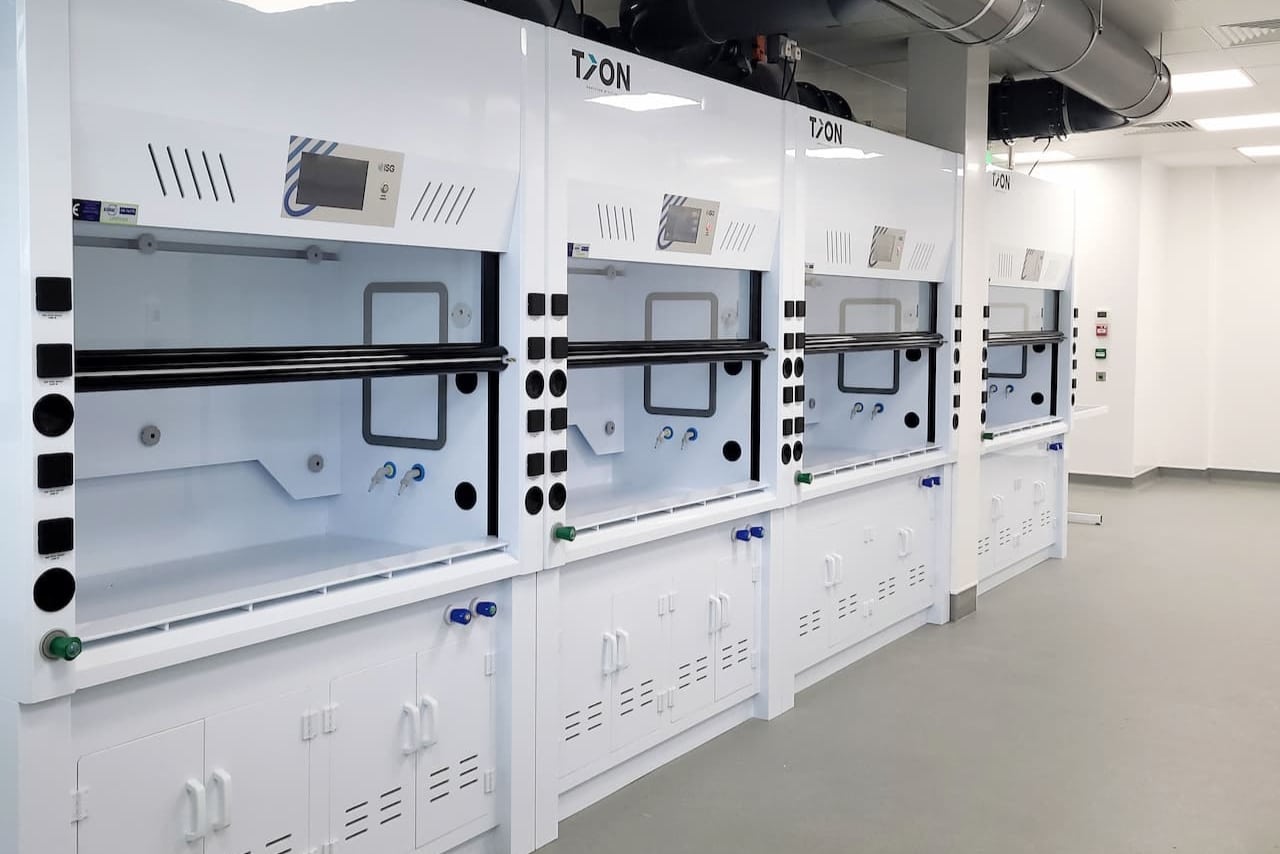
TION has been designing and manufacturing fume cupboards and fume cabinets for over 15 years. Our products are engineered to keep your staff safe and your laboratory fully compliant by effectively containing hazardous vapours, gases and particulates generated during chemical experiments.
Every cabinet is constructed from corrosion-resistant polypropylene or mild-steel and is controlled via touch-screen panels, making them robust enough to last decades. From standard benchtop fume cupboards to bespoke, height-adjustable designs, we will work with you to develop the right specification.
We collaborate closely with construction companies, architects, project consultants and mechanical engineers from the start of your project through to completion. CAD files, datasheets and BIM models are all available on request, ensuring your project has everything it needs to run smoothly.




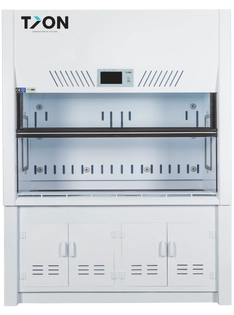
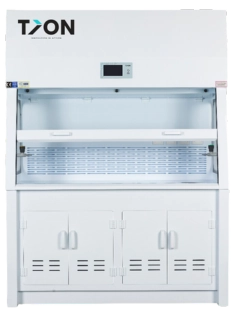
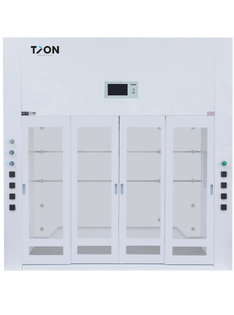
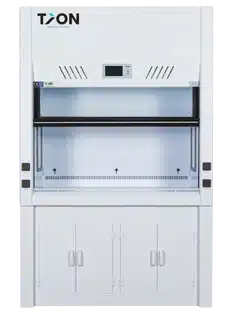
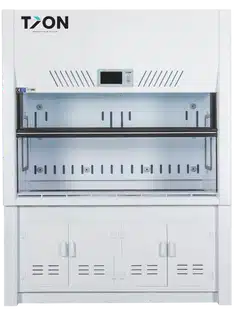
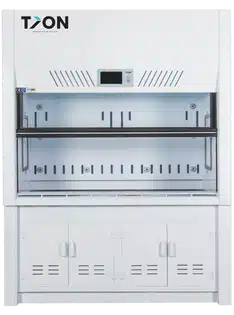
Traditionally, the cabinets are manufactured from powder-coated mild steel, stainless steel or polypropylene. While mild steel is considered more cost-effective, the corrosion-resistant properties of polypropylene make it more desirable.
So, how do they work? Well, the cabinets have four enclosed sides with an adjustable front sash to regulate access. A centrifugal fan pulls air into the cabinet's workspace at the industry standard of 0.5 m/s, drawing contaminants away from the operator. The air is then exhausted into the atmosphere using a roof-mounted ventilation stack or recirculated back into the lab.
It's important to note that in the UK, fume cupboards must be tested once every 14 months to meet BS EN 14175 standards. These standards dictate the design, testing, installation and maintenance of fume cupboards. For more information, please visit "What is EN 14175?".
While the rear baffles control the direction and distribution of air across the cabinet's work surface, the sash handle stabilises the inflow. It then passes through the interior of the fume cupboard, at which point it is either filtered and recirculated or exhausted into the atmosphere.
However, the extraction method used varies depending on the type of cabinet you choose. For example, ducted fume cupboards use PVC ductwork connected to a roof-mounted ventilation stack to exhaust fumes into the atmosphere. A good example of ducted fume cupboards can be found by viewing our Cytiva case study.
On the other hand, ductless fume cupboards use HEPA or carbon-based filters to recirculate air back into the lab. While ductless fume cupboards reduce the installation and energy costs associated with ducted fume cupboards, the filters need reviewing every twelve months. Jenavalve is a prime example.
For more information on the differences between ductless and ducted fume cupboards, please visit "Choosing Ducted vs Ductless Fume Cupboards".
Other names include a fume cabinet, chemical hood or fume closet. People often confuse these phrases with extractor hoods or extraction arms found in commercial kitchens and industrial settings. It's important to identify this distinction when searching for your product. Otherwise, you could be left with a substantial amount of time wasted and little to show for it.
Among the tests performed are airflow testing, smoke visualisation testing, filter integrity tests for ductless cabinets and general inspections of the control system and alarms. These tests must be performed once every 14 months. Failure to do so breaches BS EN 14175 standards, which could place your staff in danger.
If a fault is detected, we will provide recommendations based on the unit's age, brand and part availability. We offer 1, 2 and 3-year service contracts with nationwide coverage and paperless documentation. That's right. We provide an online asset register that includes the location, serial number and certificates associated with each cabinet. It's simple, efficient and digital.
For more information on fume cupboard commissioning, please visit: "How Often Does My Fume Cupboard Need Servicing?"
How you operate the cabinet depends on the unit's specifications. Some products feature modern touch-screen control systems, while others use mechanical switches. If in doubt, reference your product manual before switching the unit on. On the other hand, gas taps, sinks and electrical sockets should function similarly regardless of brand.
When working inside the fume cupboard, keep your materials at least 150mm (6 inches) behind the sash to maintain airflow and minimise turbulence. You should also avoid overcrowding the workspace, as this can disrupt the airflow and compromise containment. Once finished, close the sash fully, switch off any services and leave the fan running if required to ensure any residual fumes are gone.
For more information on how to safely use your fume cupboard, please visit: "Top 5 Do’s and Don’ts of Fume Cupboards".
In contrast, a variable air volume system adjusts its airflow based on the sash height. Variable air volume controls reduce the volume of exhausted air while maintaining the required face velocity when the sash is lowered.
The airflow is controlled by an electronic damper positioned inside the ductwork above the fume cupboard, which communicates with the system's pressure sensors and bleed valve. Although it may seem complex, it's a relatively simple process that can reduce a fume cupboard's energy usage by up to 80%.
On the other hand, a CAV-enabled fume cupboard maintains a constant air velocity at all times, increasing the cabinet's energy usage. For more information on the benefits of variable air volume, please visit: "What Is Variable Air Volume And Why Is It Important?"
Working with contractors? No problem. We work seamlessly with consultants, architects, construction companies and mechanical engineering specialists. Whether you’re installing a standard benchtop cabinet or a large-scale recirculating walk-in enclosure, our team will ensure your systems are fitted, tested and ready for handover.
To learn more about planning a successful project, explore our guide: “Purchasing Your First Fume Cupboard in Three Simple Steps".
We also provide technical support on the installation process and make recommendations on service connections and ducting. For more information, read our latest article "The Complete Guide to Accessible Fume Cupboards".
Bespoke modifications, such as changes to the size or height, will push costs up, as will accessories like gas taps, electrical sockets, height-adjustable stands, or sash mechanisms. While these additions broaden what the unit can do, they do come with a price tag, so it's worth budgeting for them early. Take our CPI case study, what originally started as a standard walk-in fume cupboard, quickly evolved into five-meter-high enclosure.
The golden rule? Let the science drive the specification. If your lab processes demand extra workspace depth, a reinforced worktop, or any non-standard features, flag this with your supplier from the outset. Getting the spec right up front avoids costly retrofitting down the line and keeps the project on track. For more information, read our article "How Much Does A Fume Cupboard Cost".
In Contrast, ductless fume cupboards offer flexibility. These plug-and-play units use carbon or HEPA filtration to capture airborne particulates, gases, odours, and volatile organic compounds, and because they're mobile, they can be deployed wherever they're needed. That said, their filter-based design means they're best suited to low-volume applications.
For labs that need to house large equipment or store bulk materials, a walk-in fume cupboard is the natural choice. These application-specific systems offer more space and flexibility than standard units, and are available in both ducted and ductless configurations to suit your setup. In 2024, we worked with Teesside University to design, deliver and install no less than twelve ducted variants.
Remember, selecting a fume cupboard is rarely a simple decision. Contact your local provider, discuss your project requirements in detail, then focus on designing a solution. For more information on this subject, visit "Purchasing Your First Fume Cupboard In Three Simple Steps".
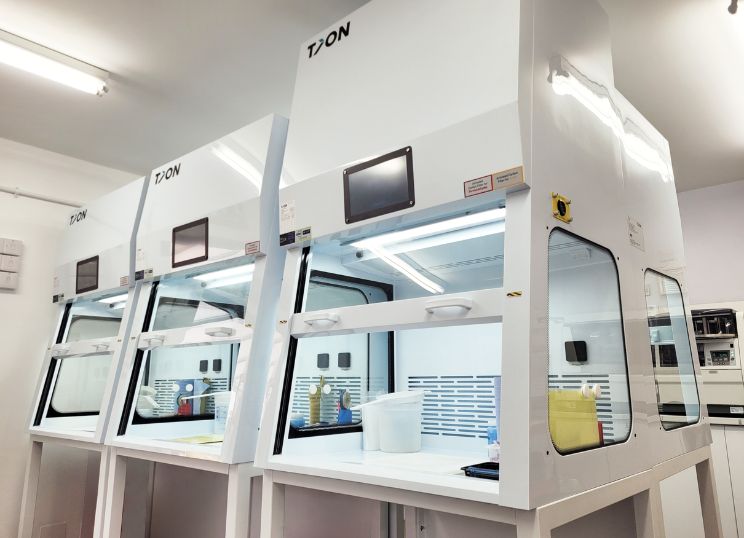
"TION have provided us with a high-quality service from start to finish, allowing us to customise the product to suit our needs and they’ve worked around a tricky schedule for delivery & installation."
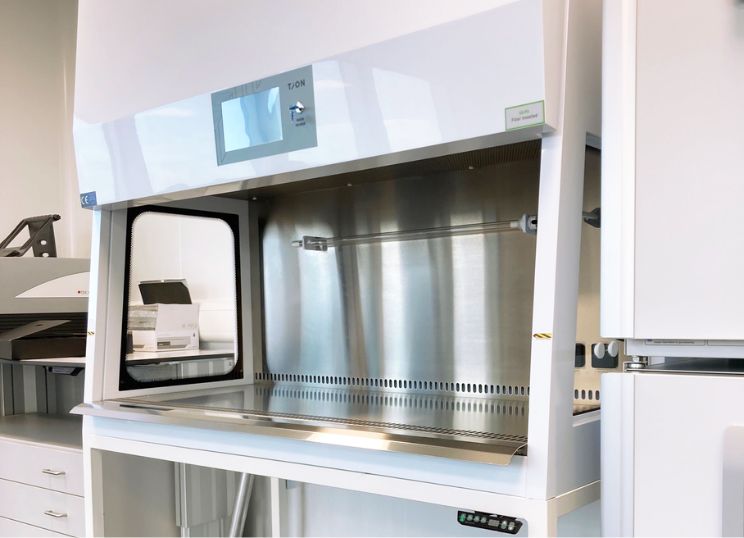
"The 1500mm-wide MSBCs have proven sufficiently large and sturdy to afford the installation of heavy (70 kg) fill-finish equipment while maintaining the requirement for an adjustable stand height."
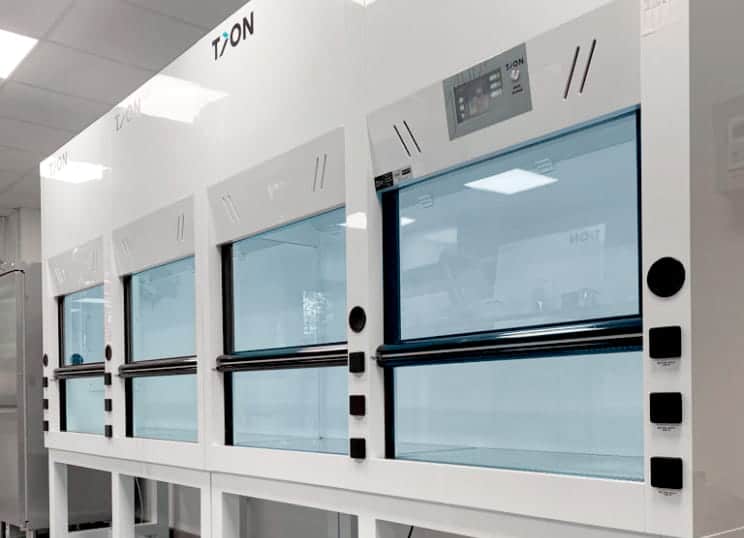
"Seldom have I worked with such a knowledgeable team. No matter the challenge, TION's attention to detail and professionalism has always impressed me."
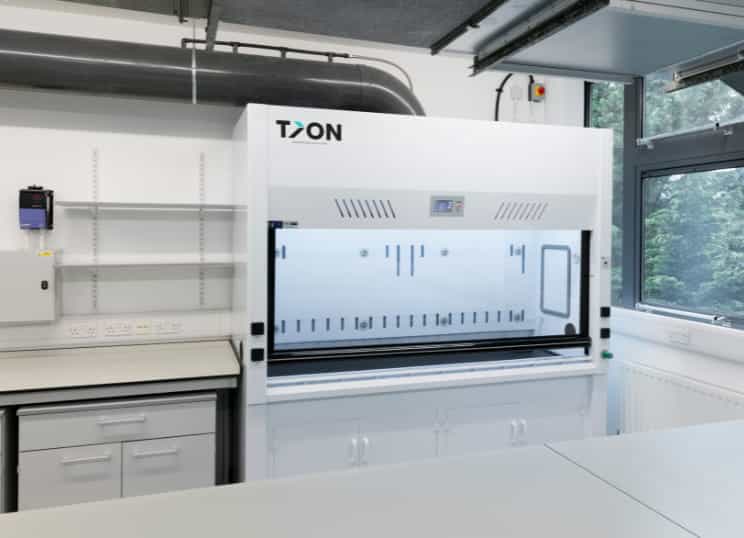
"TION Global's polypropylene wash-down fume cupboards are one of the few products able to manage perchloric acid's explosive properties."
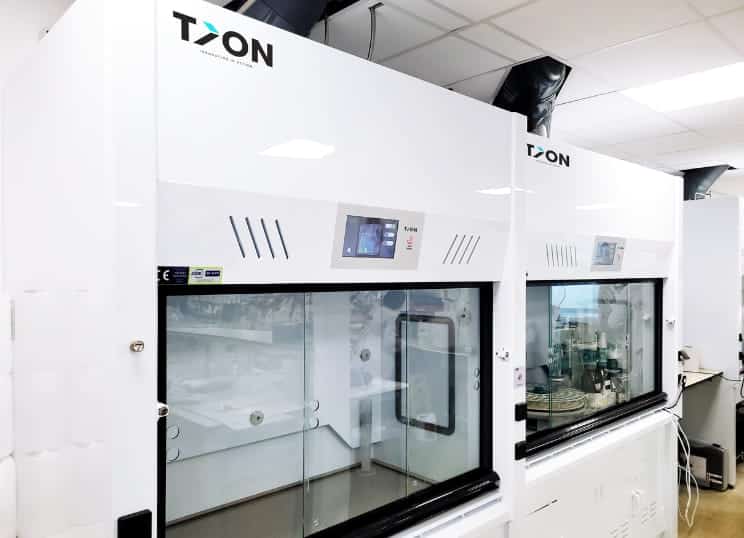
"The polypropylene cabinet material is perfect. It's stain resistant, even against chemicals like iodine (potassium iodide). It's also incredibly easy to clean."
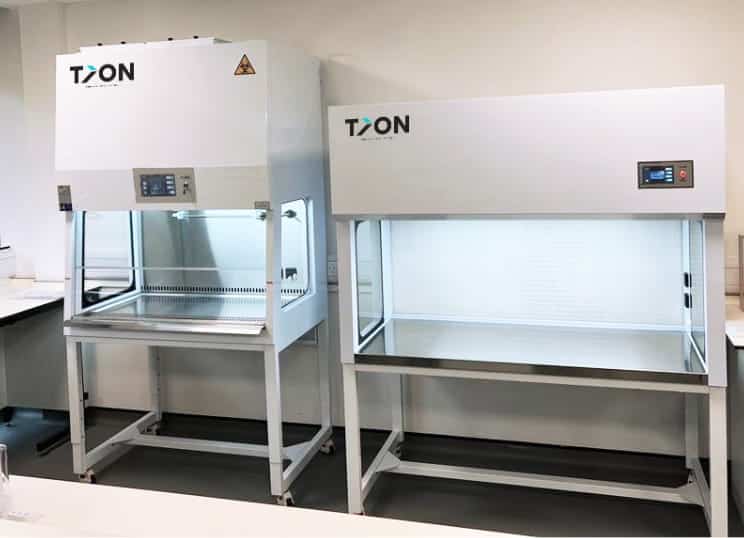
"TION is responsive, consistent & professional. Their attention to detail is second to none in all aspects of biosafety installation, commissioning and maintenance."
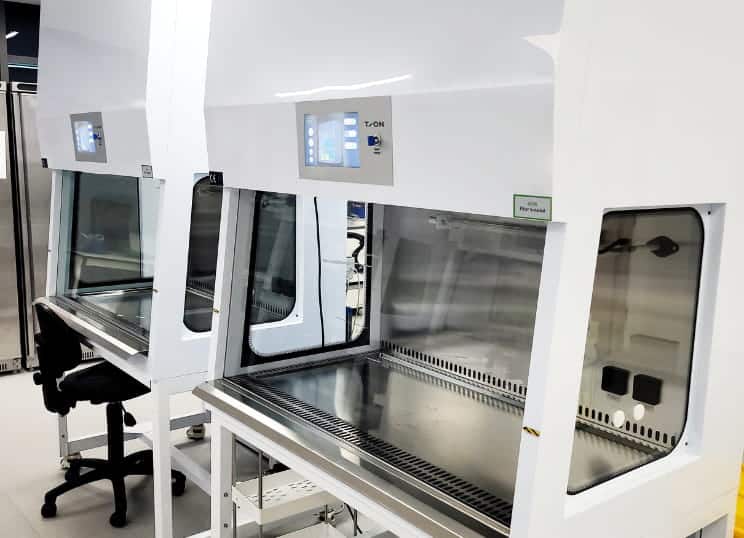
"Very knowledgeable, and not only were the biosafety cabinets we ordered from TION made exactly the way we needed them, but they were delivered and installed within 48 hours."
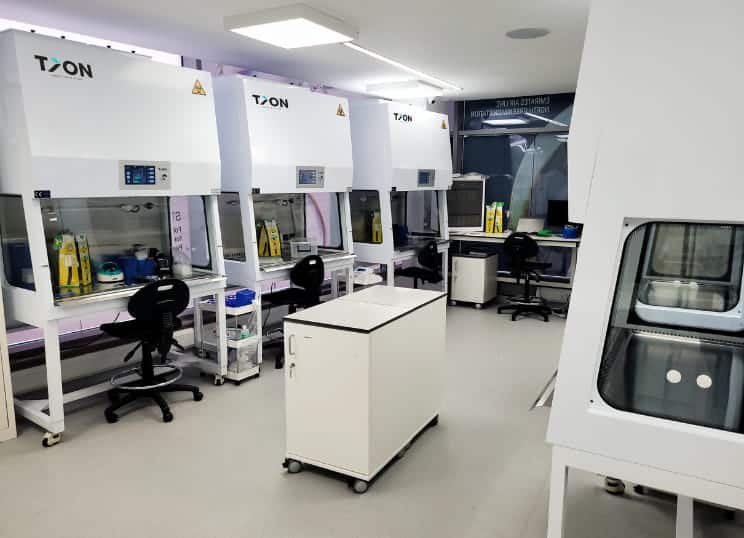
"This project has definitely been a learning curve for me and from the very first phone conversation your knowledge, calm nature and expertise put me completely at ease."
Read our Privacy Policy for more information on how we collect and process data.



No thank you
Read our Privacy Policy for more information on how we collect and process data.